
Budget: 10,000 to 30,000 yen
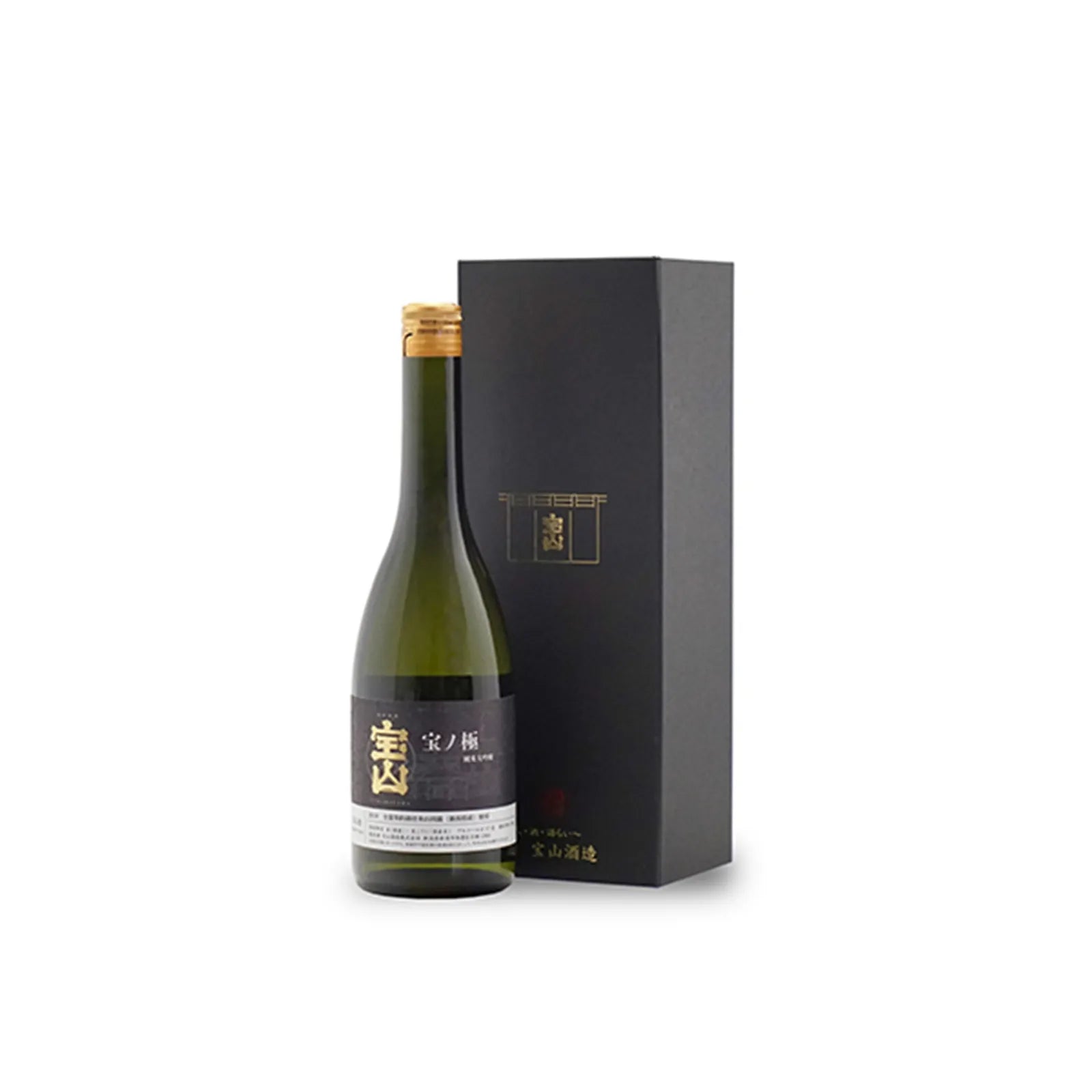
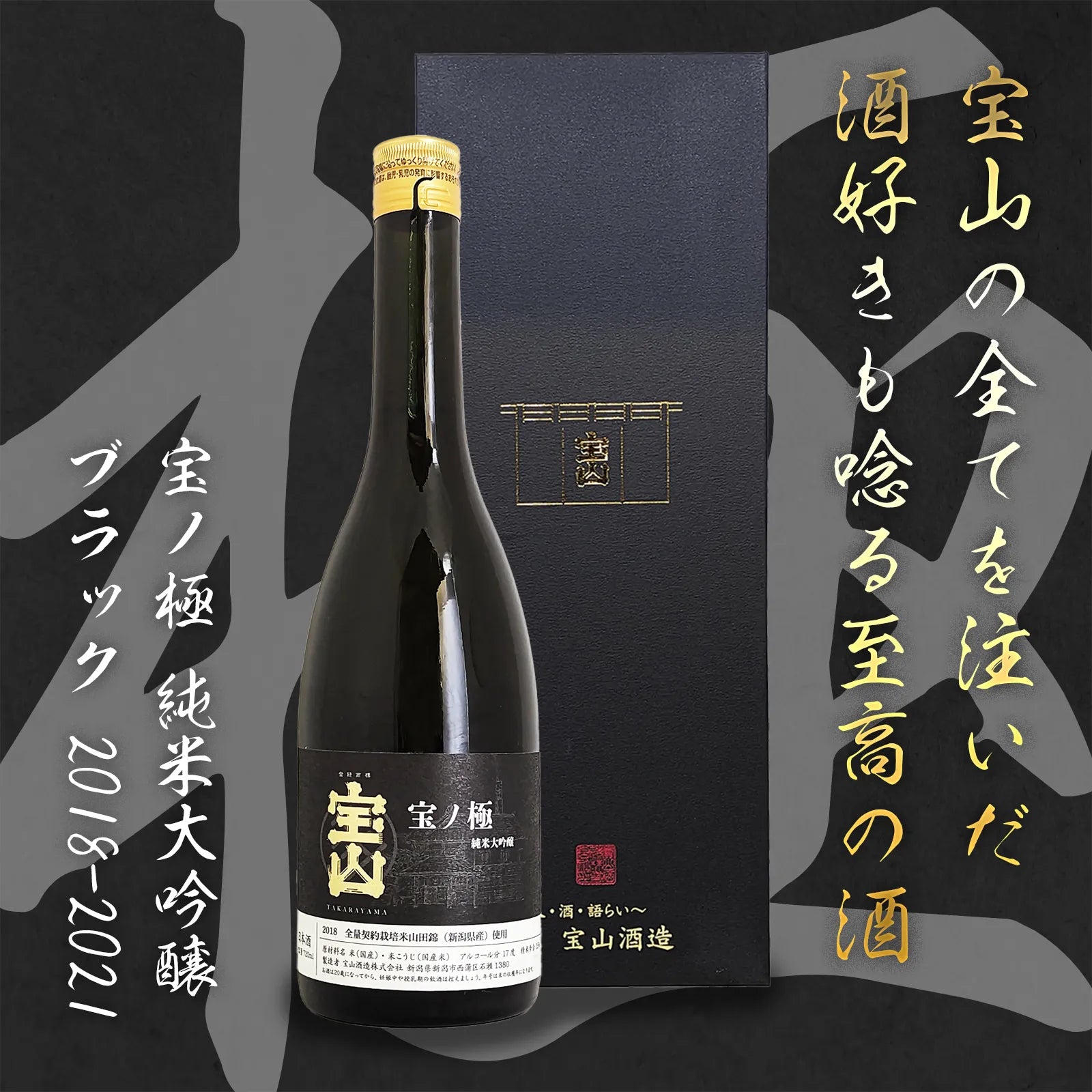
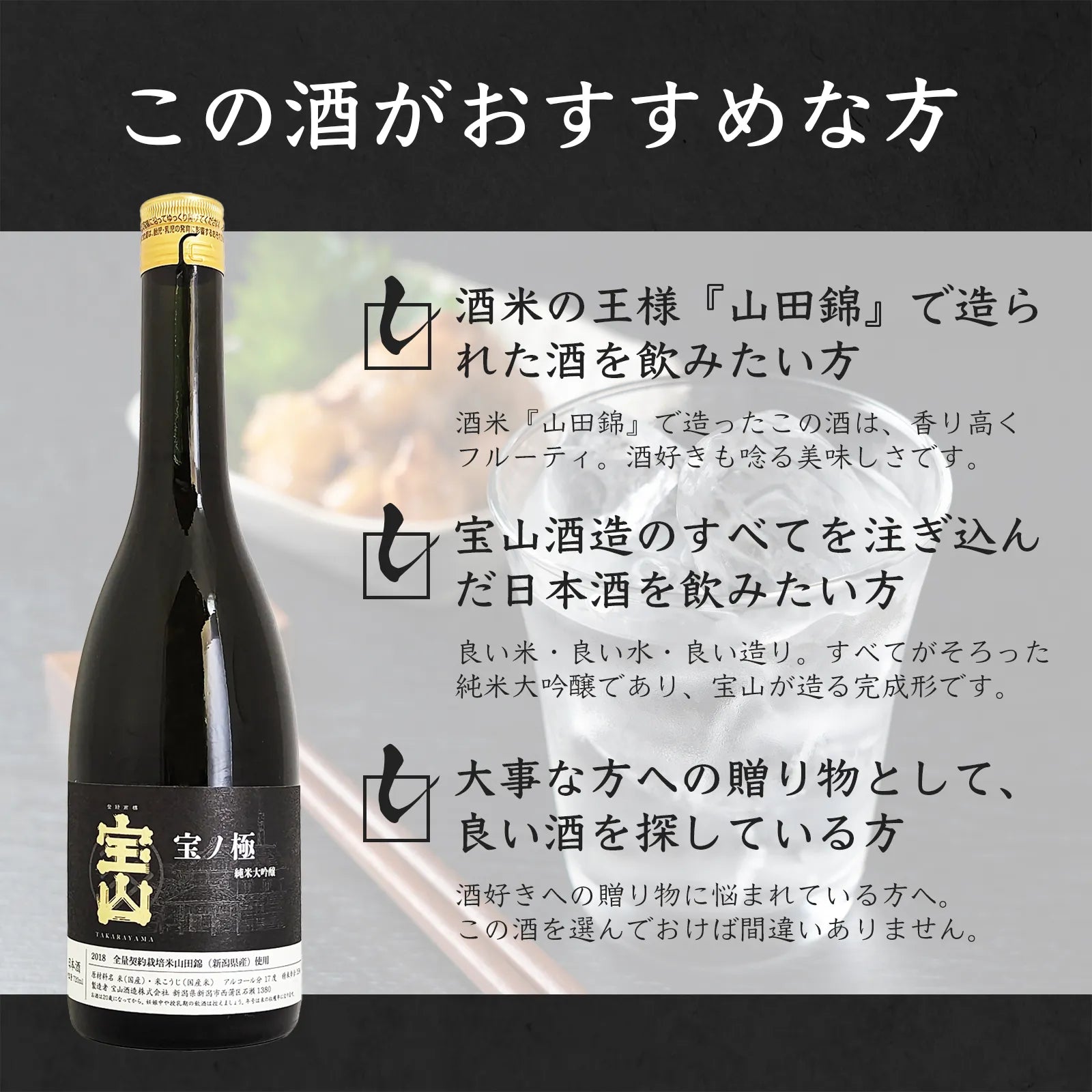
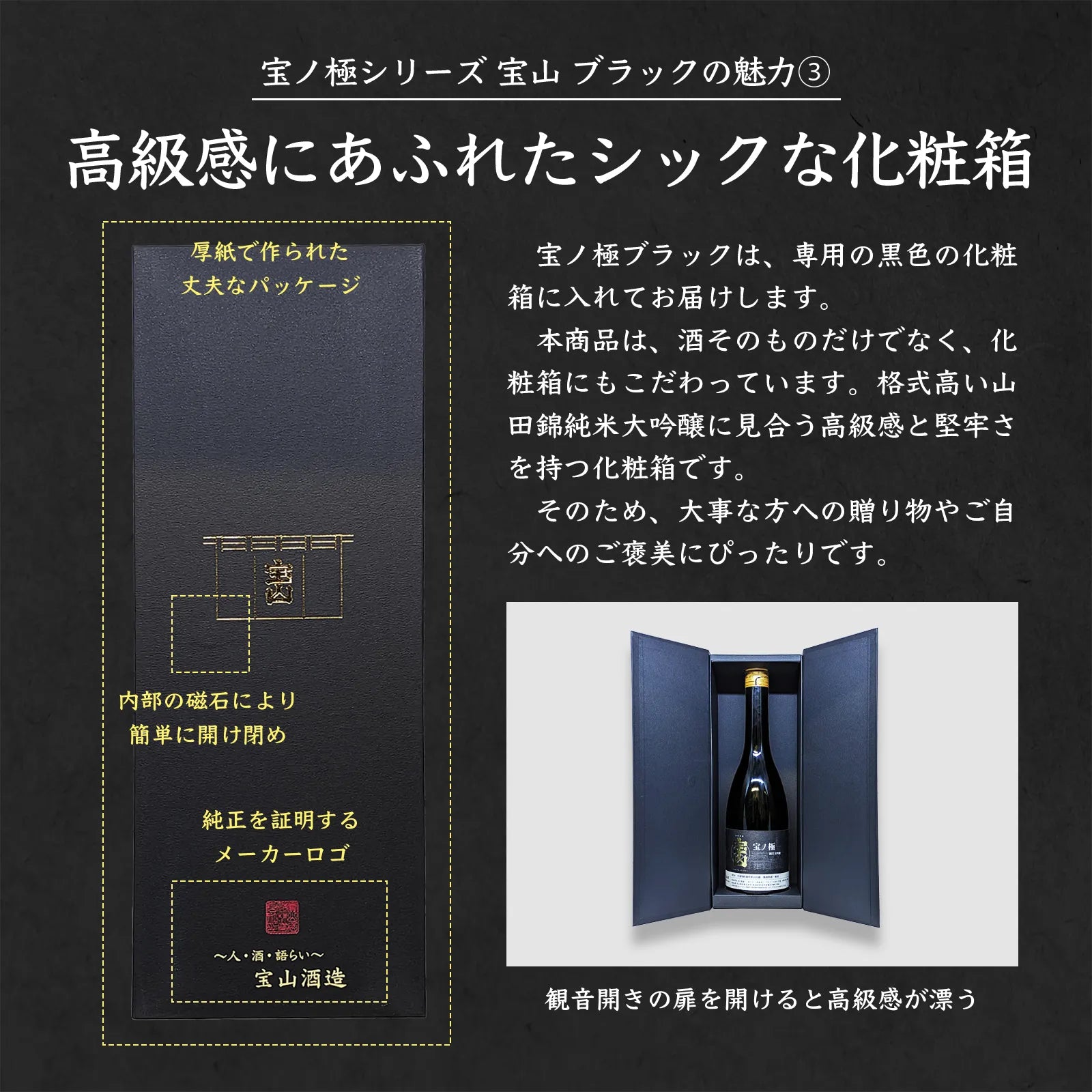
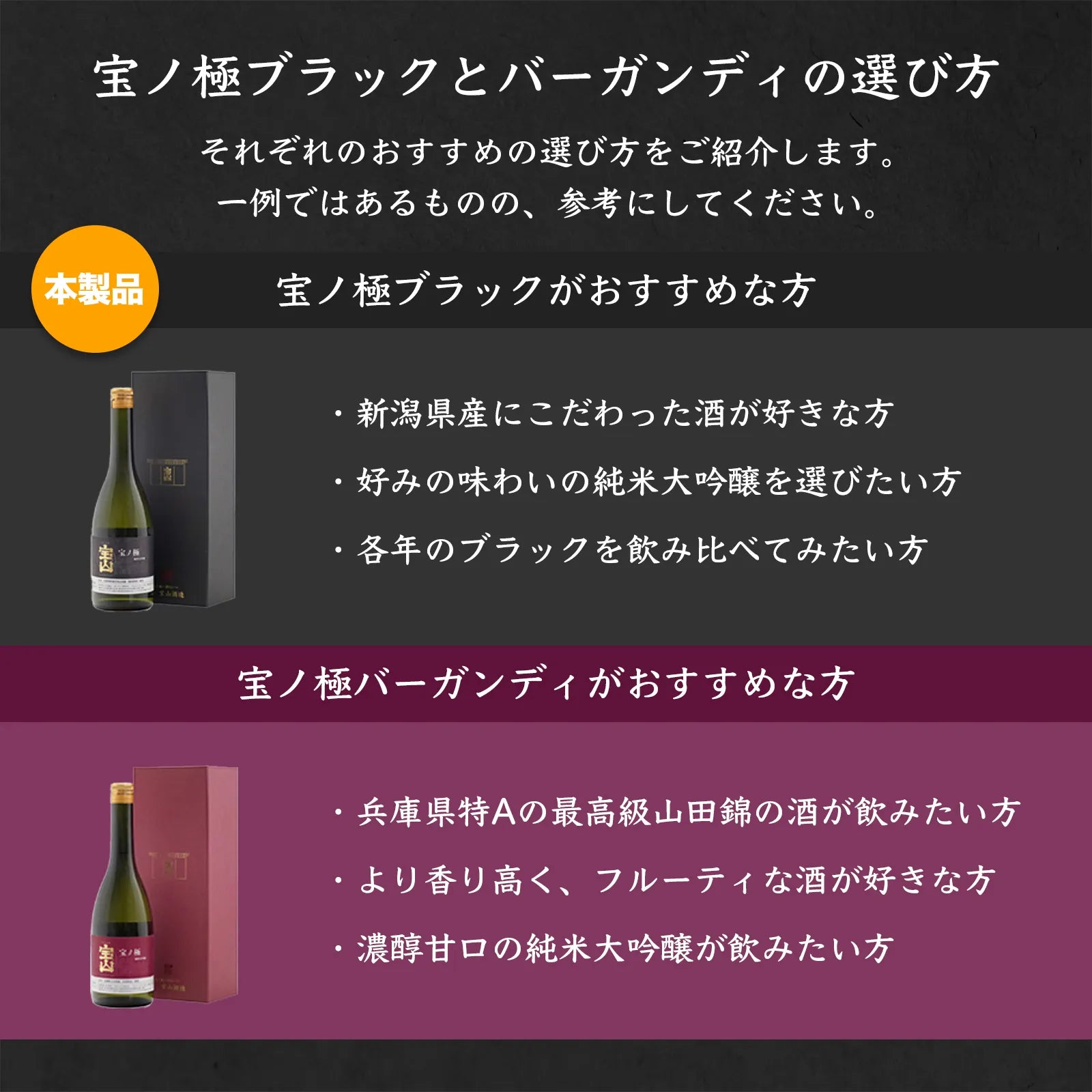
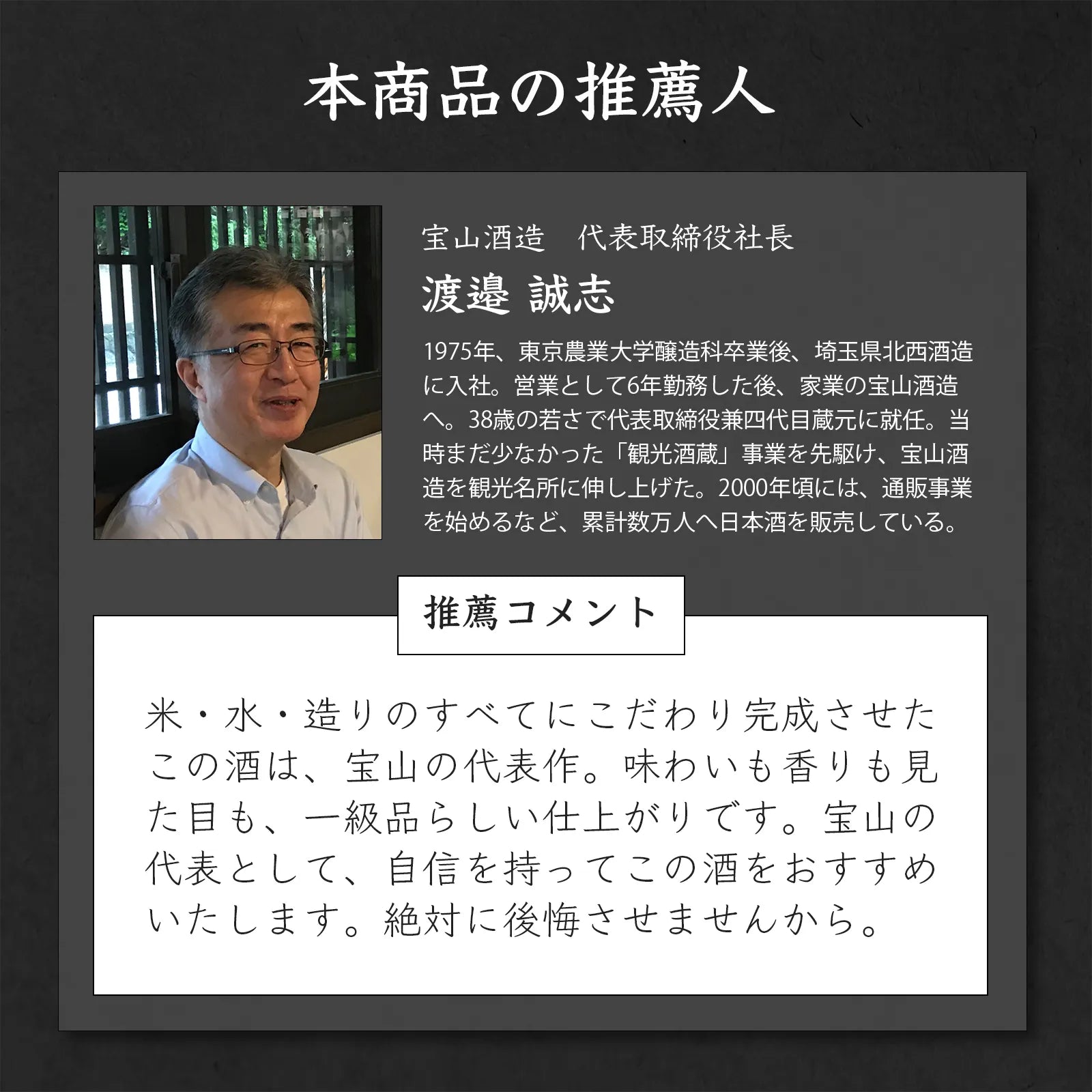
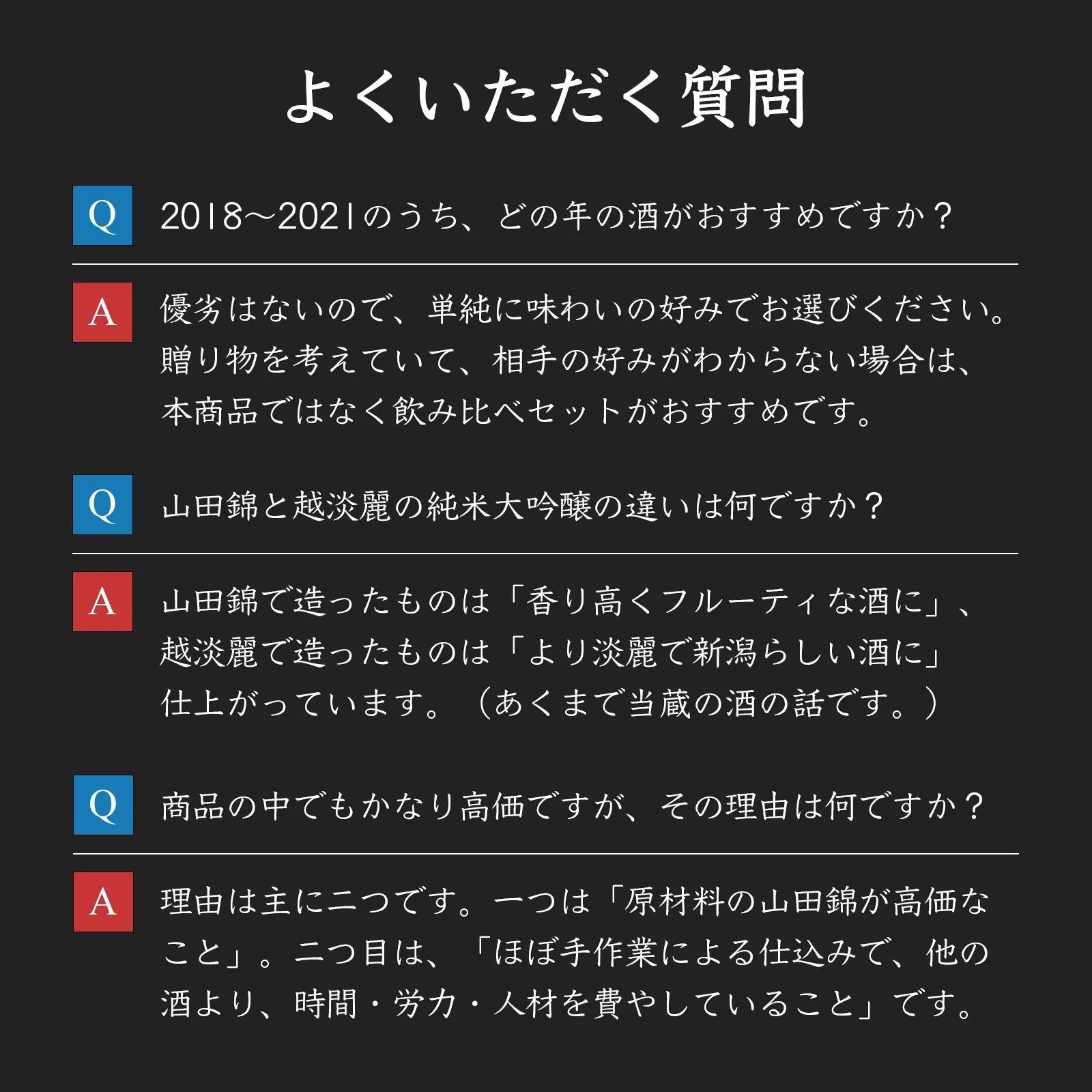
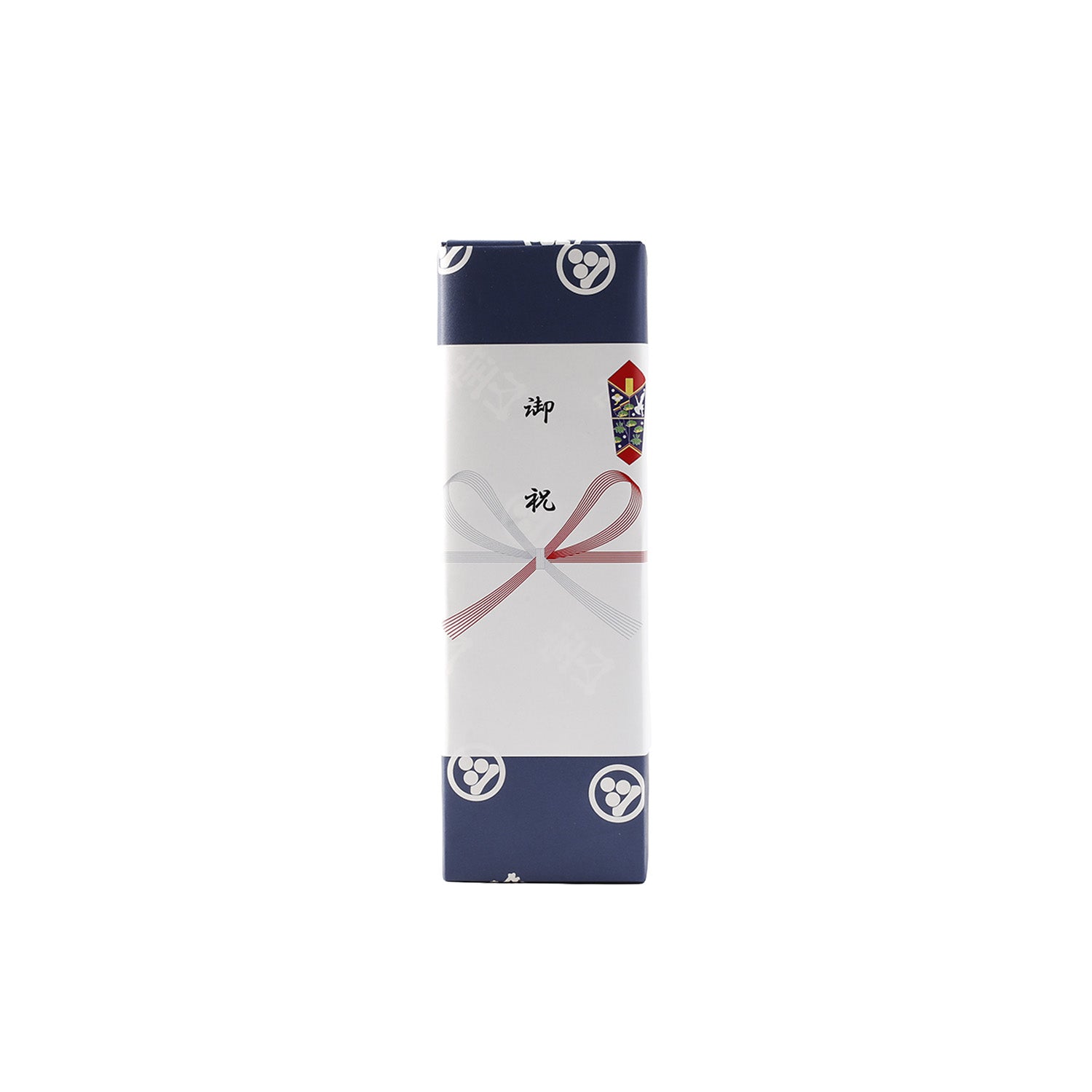
This is a masterpiece that Takarayama Brewery has poured all of its technology into.
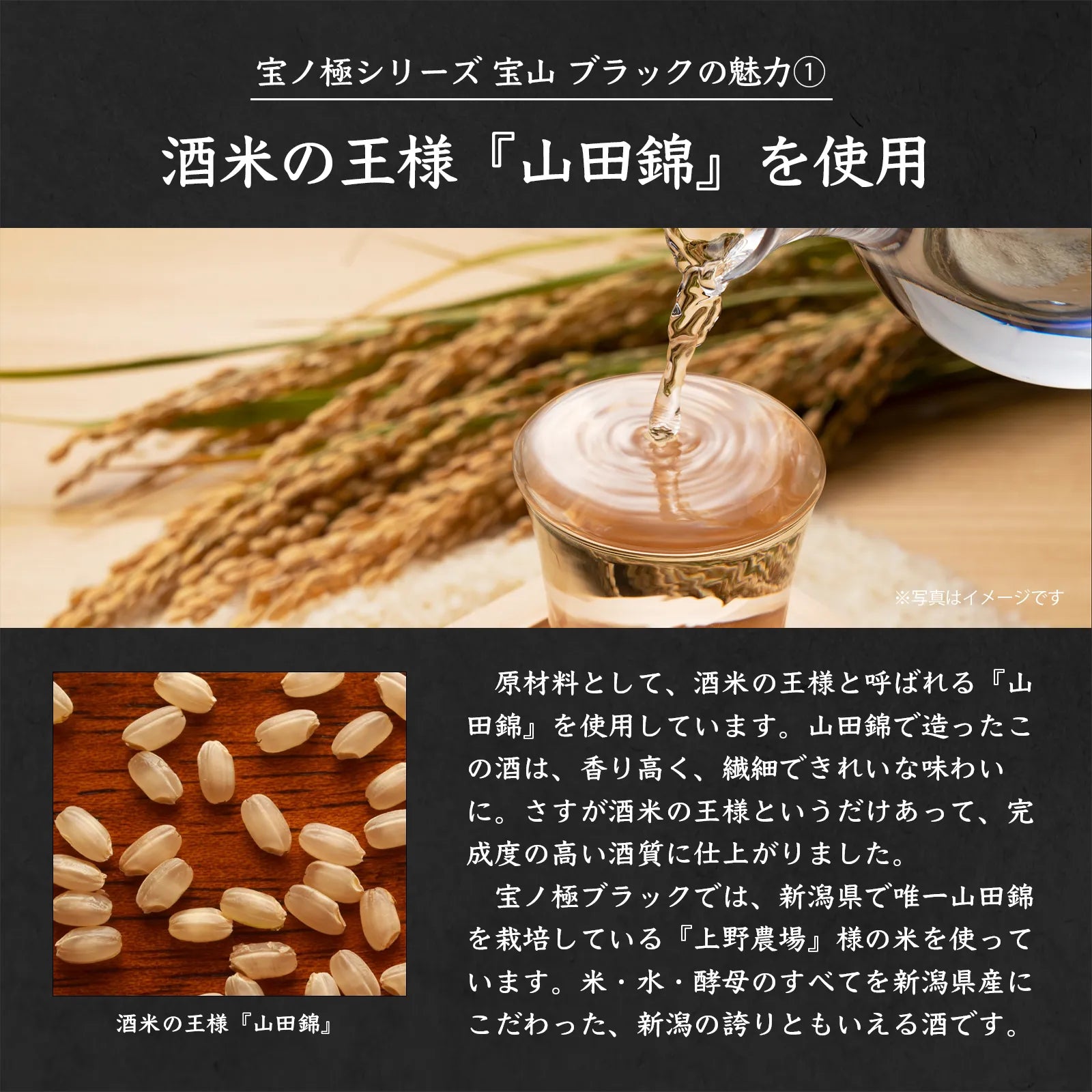
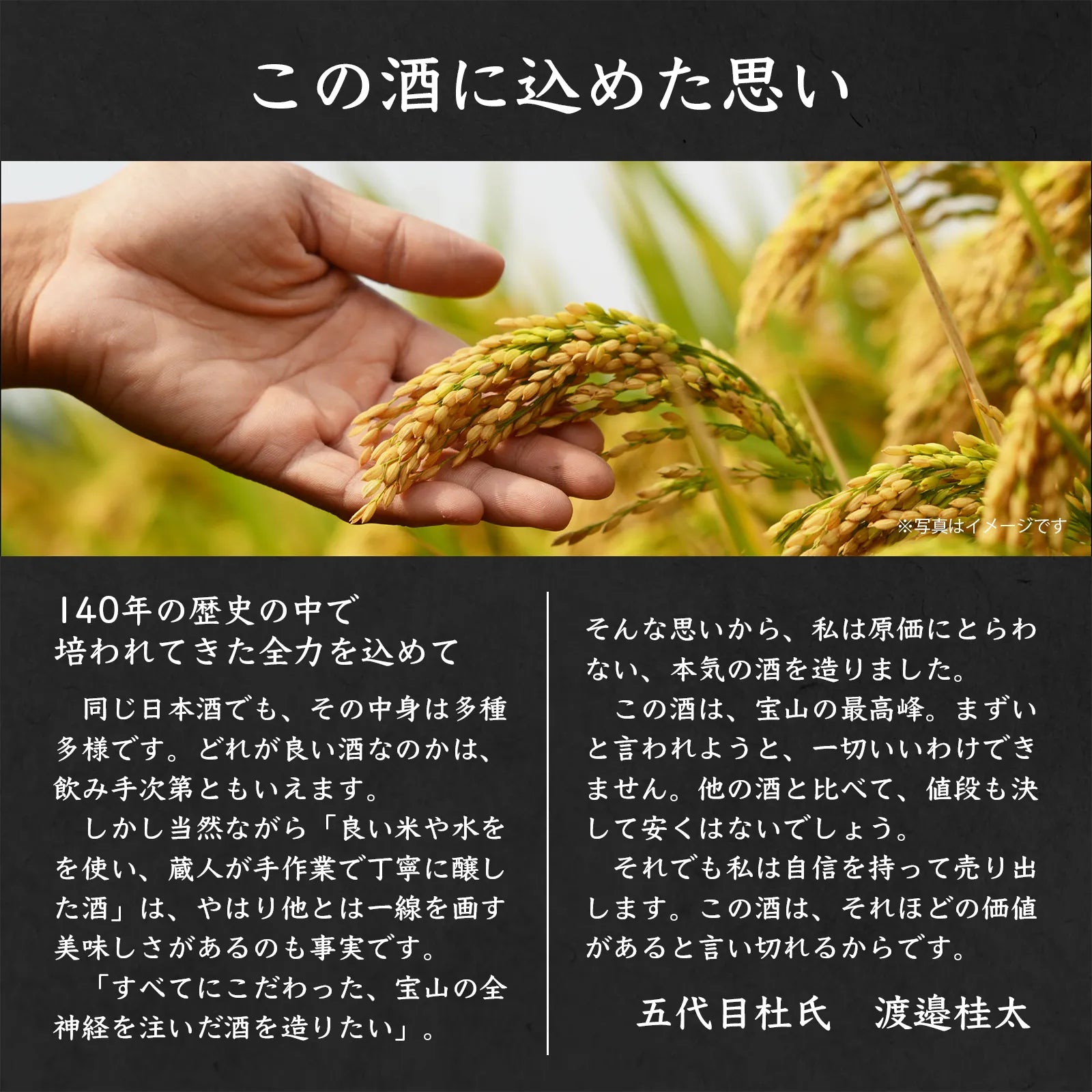
The rice used is Yamada Nishiki, a "naturally grown" rice from Niigata Prefecture, which is cultivated in harmony with the abundant natural environment of Niigata.
Yamada Nishiki is difficult to cultivate and is best suited to areas that only get cold in the mornings and evenings, but Akira Ueno of Ueno Farm took on the challenge of growing it in the cold climate of Niigata.
This sake was made under contract with a passionate farmer and is one of Takarayama Brewery 's "Kiwami" sakes.
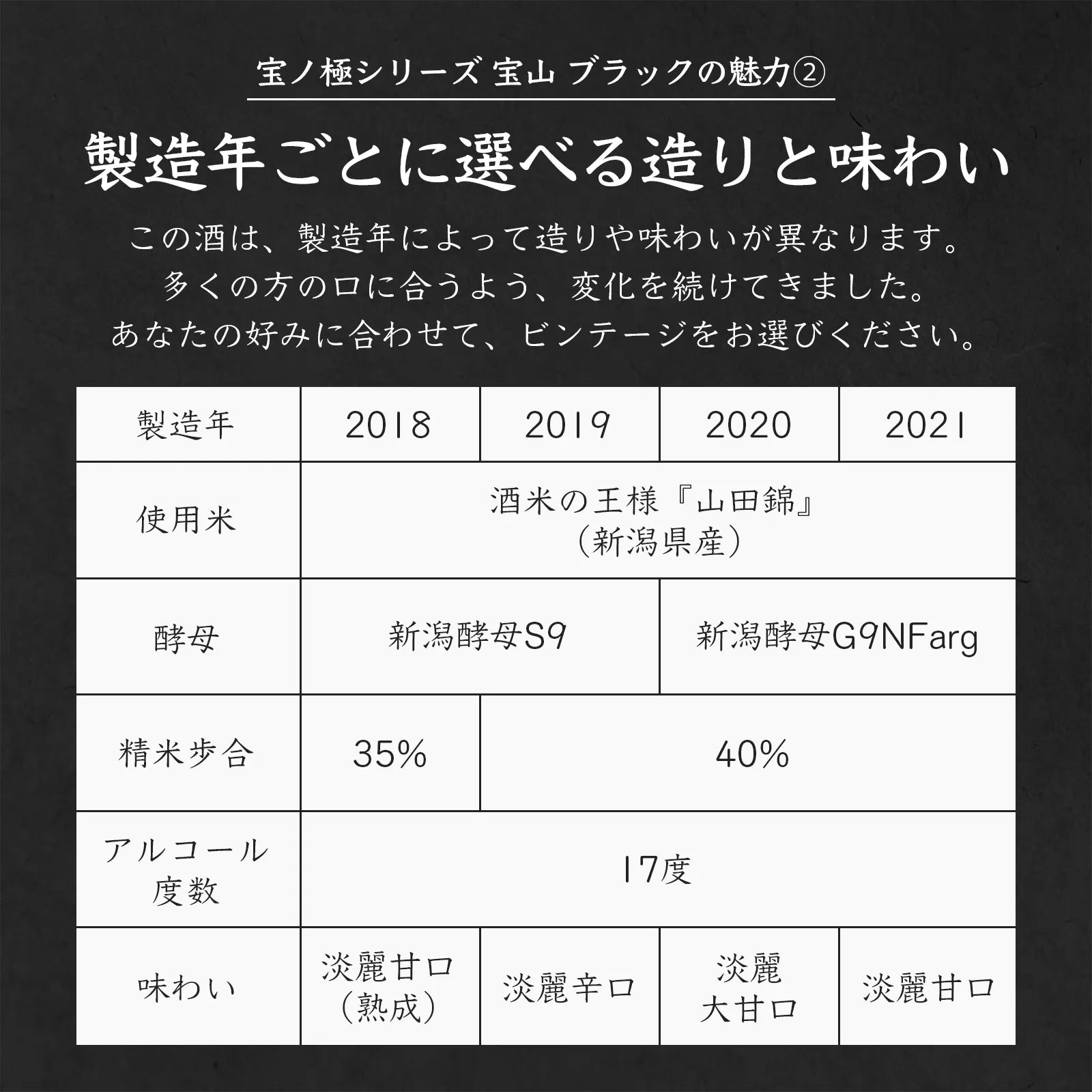
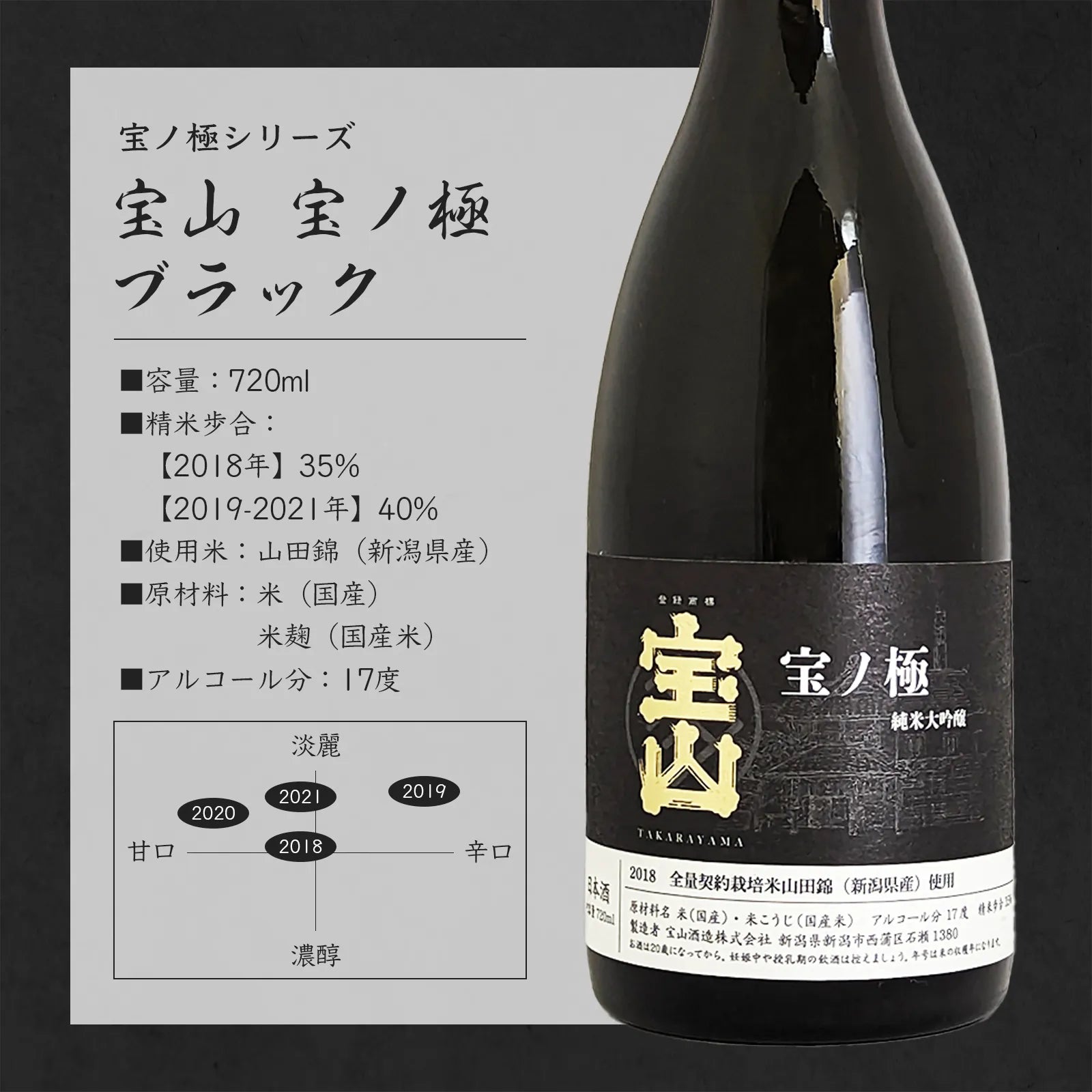
| raw materials | Rice (domestic), rice koji (domestic rice) |
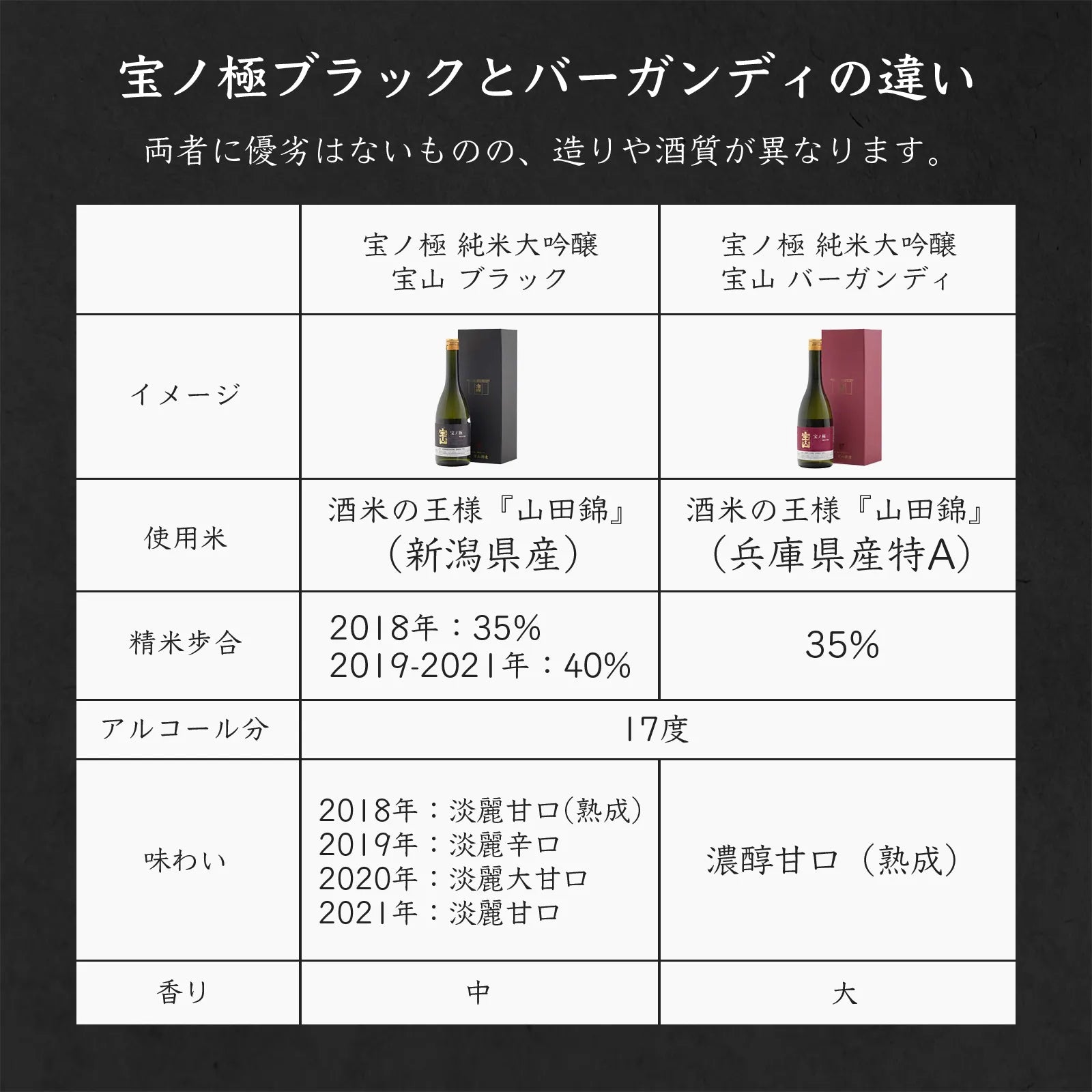
| Rice used | Yamada Nishiki (produced in Niigata Prefecture) |
| Rice polishing ratio | 2018: 35% 2019: 40% 2020: 40% 2021: 40% |
| Alcohol content | 17 degrees |
| capacity | 720ml |
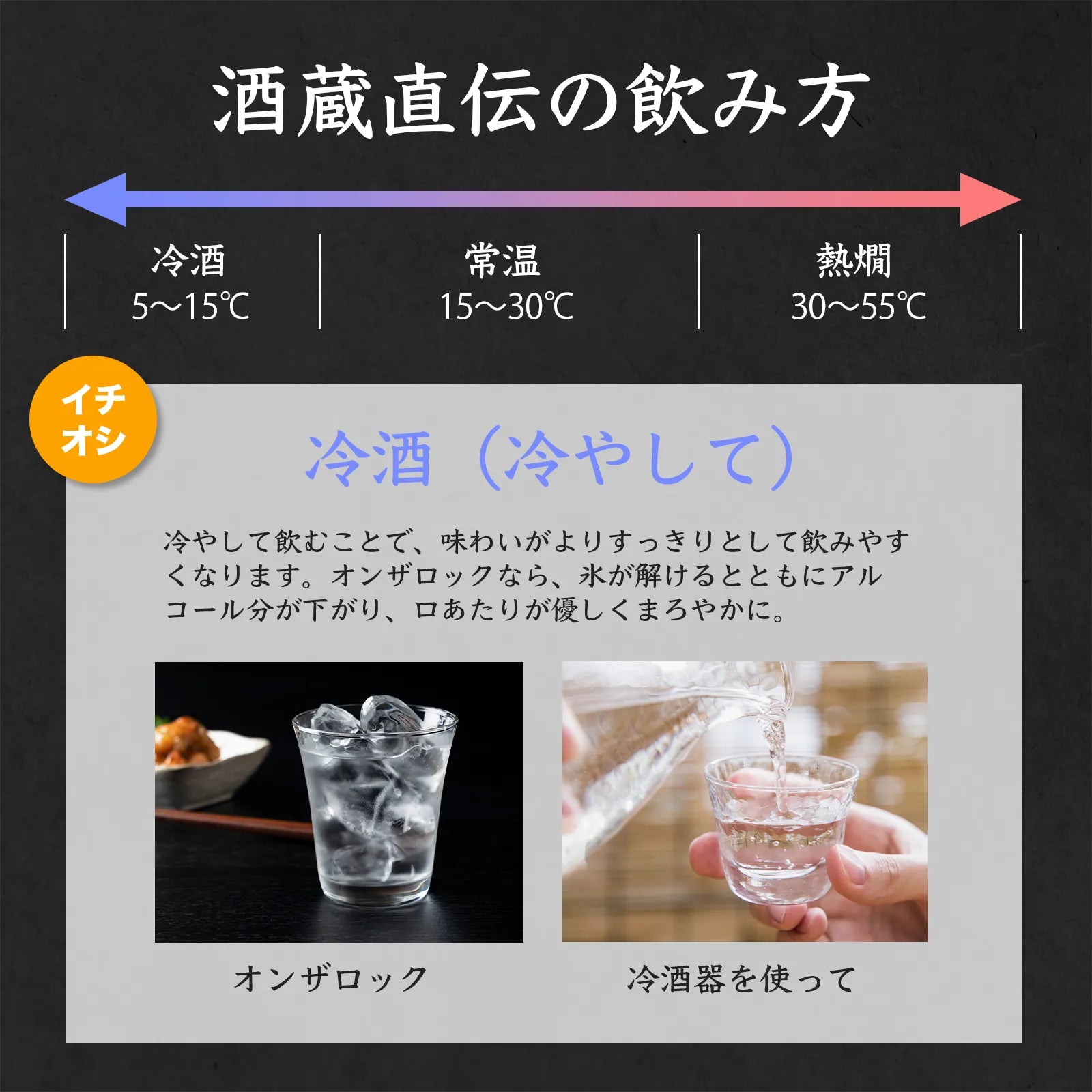
| storage | The speed of aging varies depending on the storage temperature. We recommend storing it in the refrigerator. |
| Vintage | The vintage listed on the front label indicates the year the rice was harvested. |
| characteristics | This product is designed with aging in mind. Due to the nature of the product, sediment may settle or crystallize and float, but this does not affect the quality. |


Budget: 5,000 to 10,000 yen
Budget: 3,000 to 5,000 yen
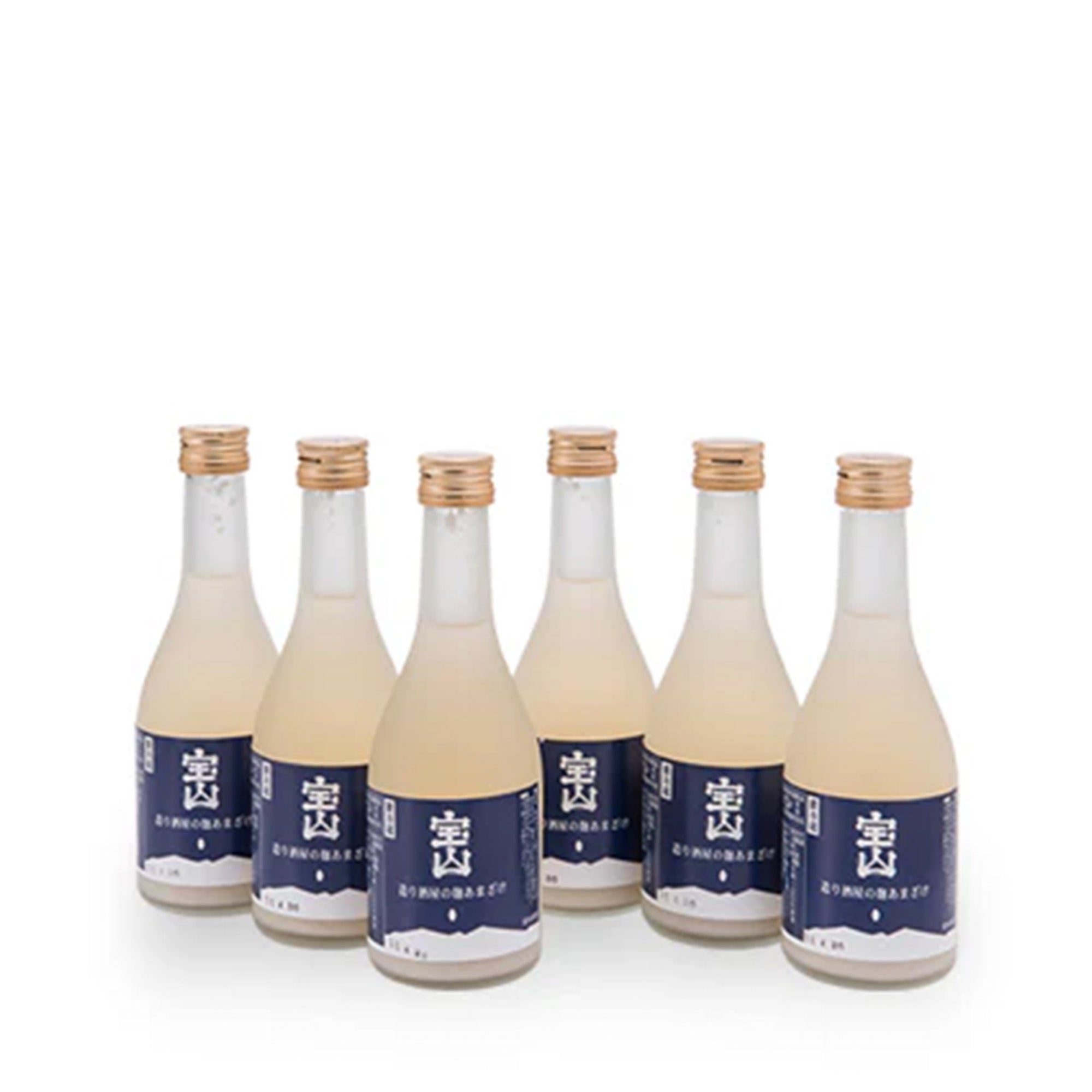
Just like my mother's cooking, the nostalgia is soothing
The original Amazake, which has been loved for a long time, has a simple taste made only from natural well water and rice, and can be safely consumed by everyone from small children to grandparents.
We wanted everyone to know the wonderfulness of this nostalgic amazake, so we began working on making authentic amazake that is full of the natural sweetness and umami of rice.
However, to recreate the original Amazake, everything from making the koji had to be done by hand, which required a great deal of effort and time.
To achieve the refreshing sweetness that is inherent in amazake, which does not use any sugar or sweeteners, the koji must be mixed by hand for six hours continuously to allow it to convert into sugar.
If this process were left to a machine, the soft koji would crumble into pieces, resulting in a thick, sticky, and cloying sweet taste.
Making amazake by hand is extremely labor-intensive, and there is a limit to the amount that can be made at one time.
When I think about how much easier it would be to mass-produce sake in a short amount of time using machines, I am truly impressed by the efforts of the brewers.
"We want to make amazake that everyone will love," and "We want to convey the nostalgic, authentic taste that we drank as children." With this single-minded desire, we continue to focus on handcrafting amazake.
This amazake is for those who want to "taste the nostalgic, authentic amazake of the past" or "enjoy amazake like you've never tasted before."
The additive-free amazake we make may have a shorter shelf life and be more expensive than the ones sold in supermarkets.
However, we use only the finest ingredients to make authentic amazake, which is delivered directly from our brewery to you in the freshest condition.
This amazake is made entirely by hand.
There is a limit to how much can be made at one time, so we may not be able to fulfill your order, but this is a limited opportunity to enjoy the natural, elegant, and simple flavor that Amazake is known for. Please take this opportunity to try it. We are sure you will be satisfied.
| raw materials | Rice koji (domestic rice) |
| Rice used | Rice from Niigata Prefecture |
| Alcohol content | Non-alcoholic |
| capacity | 1 bottle 320g |
| expiration date | About 1 month |
Recently viewed
Recently viewed products
These are the products you recently viewed
Product Category
Sake and liqueurs
Koji Amazake
Tasting set
others